

Top Food Additives Manufacturer Supporting Innovation in Global Food Production
News originally published by
EIN Presswire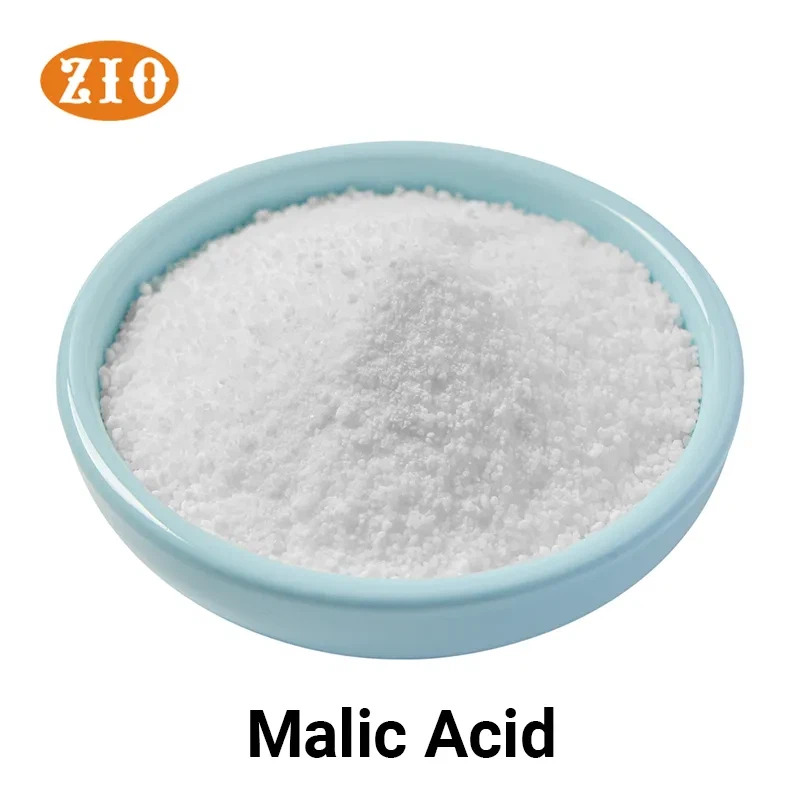
Wholesale Malic Acid Food Additive
GUANGZHOU, GUANGDONG, CHINA, November 11, 2026 /EINPresswire.com/ --
The global food and beverage industry is undergoing continuous development as manufacturers respond to changing consumer preferences, evolving food technologies, and increasing expectations for product quality and consistency. Food additives play an essential role in modern food production, helping manufacturers manage acidity, sweetness, texture, stability, and other important product characteristics. As demand for specialized food ingredients continues to expand, reliable suppliers with diversified product portfolios and international distribution capabilities are becoming increasingly important. Guangzhou ZIO Chemical Co., Ltd. is one of the companies participating in this growing market, focusing on the production and supply of food additives for customers across different industries. With a product portfolio covering acidity regulators, sweeteners, preservatives, thickeners, emulsifiers, and other functional ingredients, the company aims to support food manufacturers in developing products that meet diverse market requirements.
The Growing Importance of Food Additives in Modern Food Manufacturing
Food additives have become an integral part of large-scale food production. From beverages and confectionery to bakery products, dairy foods, and processed meat, manufacturers rely on functional ingredients to maintain consistent product characteristics and improve processing efficiency.
As food supply chains become increasingly globalized, products may need to maintain their quality throughout transportation, storage, distribution, and retail. This creates demand for ingredients that can support formulation stability, improve processing performance, and help manufacturers achieve consistent results across production batches.
Consumer preferences are also influencing the development of food additives. Growing interest in reduced-sugar products, convenient foods, and specialized nutritional formulations has encouraged manufacturers to explore new ingredient combinations. At the same time, food producers are paying greater attention to ingredient functionality, regulatory compliance, and the technical support available from suppliers.
Guangzhou ZIO Chemical Co., Ltd. has focused on food additive production and sales since its establishment in 2005. Its business covers multiple ingredient categories, allowing the company to serve customers with different formulation requirements. This diversified approach reflects the changing needs of the global food ingredient market, where manufacturers increasingly seek suppliers capable of providing a broader range of materials.
Acidity Regulators: Supporting Flavor Balance and Product Stability
Acidity regulators are among the most widely used functional ingredients in the food industry. They help control the acidity and alkalinity of food products, influencing flavor, processing characteristics, and certain aspects of product stability.
The appropriate acidity level can have a significant effect on the sensory characteristics of food. In beverages, for example, acidity contributes to refreshing taste profiles and helps balance sweetness. In confectionery, acidulants can create distinctive sour flavors and complement different sweetening systems. In bakery and processed food applications, acidity regulators may also participate in specific formulation and processing reactions.
Citric acid is one of the most widely recognized acidity regulators. It is commonly used in beverages, candies, fruit preparations, sauces, and other food products. Its sour taste and water solubility make it suitable for a variety of formulations.
Other acidity-regulating ingredients, including malic acid, lactic acid, and sodium citrate, serve different functional purposes. Their selection depends on the desired flavor profile, processing conditions, and product formulation.
Guangzhou ZIO Chemical Co., Ltd. offers Acidity Regulators as a major category within its food additive portfolio. Its product range includes different acidulants and related ingredients designed for food manufacturing applications.
For beverage producers, the correct acidity regulator can help establish a balanced taste profile while supporting formulation consistency. In confectionery manufacturing, acidulants can contribute to the characteristic flavor of hard candies, gummies, and other products. Bakery and canned food manufacturers may also use acidity regulators to achieve specific formulation requirements.
The selection of an appropriate ingredient requires consideration of dosage, compatibility, solubility, and processing conditions. Food manufacturers therefore benefit from working with suppliers that can provide clear product specifications and relevant technical information.
Sweeteners: Responding to Changing Consumer Preferences
Sweeteners represent another important segment of the food additive market. Sugar has traditionally been used to provide sweetness, texture, bulk, and other functional properties. However, changing consumer preferences have encouraged food manufacturers to explore alternative sweetening ingredients and develop products with different sugar and calorie profiles.
The modern sweetener market includes both nutritive and non-nutritive options. Sugar alcohols such as sorbitol, maltitol, and erythritol are used in various applications, while high-intensity sweeteners such as sucralose, aspartame, and stevia-derived ingredients provide sweetness at different usage levels.
Each sweetener has its own characteristics. Some provide bulk and moisture retention in addition to sweetness, while others are primarily selected for their high sweetening intensity. These differences make ingredient selection an important part of food formulation.
For example, erythritol is used in certain reduced-sugar confectionery and beverage formulations because of its low-calorie profile and characteristic cooling sensation. Sorbitol is widely used in confectionery and other food applications where sweetness and moisture management are relevant. Stevia-based sweeteners are also attracting attention among manufacturers exploring plant-derived sweetening options.
Guangzhou ZIO Chemical Co., Ltd. includes Sweeteners among its core product categories, supplying ingredients for different food processing applications. Its product portfolio supports manufacturers seeking suitable materials for confectionery, bakery, beverage, and other food products.
Developing a successful reduced-sugar formulation can involve more than replacing sugar with a single alternative ingredient. Sugar contributes to bulk, texture, color development, and processing behavior. Manufacturers may therefore need to combine several ingredients to achieve the desired finished-product characteristics.
The availability of different sweetening ingredients gives food developers greater flexibility when adjusting sweetness levels, texture, and formulation costs. For international food brands, these options also create opportunities to develop products that address regional preferences and different market positioning strategies.
Applications Across the Food and Beverage Industry
The demand for functional food additives extends across numerous food manufacturing sectors. Each application has its own technical requirements, making ingredient selection an important part of product development.
In the beverage industry, acidity regulators and sweeteners are frequently used together to create balanced flavor profiles. Carbonated drinks, fruit beverages, flavored water, and powdered drink mixes may require different combinations depending on their intended taste and composition.
In bakery production, sweeteners contribute to flavor and other formulation characteristics, while acidity regulators can participate in specific processing reactions. Manufacturers also consider the interaction between additives and flour, fats, dairy ingredients, and other components.
The confectionery industry is another significant application area. Candies, gummies, chewing products, and chocolate-based products may require carefully balanced sweetness, acidity, and texture. Different sweetener systems can help manufacturers develop products with distinctive sensory properties.
Processed foods and canned products also use functional ingredients to support consistent formulation and production. The selection of appropriate additives depends on the product category, manufacturing process, and applicable food regulations.
Guangzhou ZIO Chemical Co., Ltd. serves these different market segments through its diversified food ingredient portfolio. Its products are used in applications involving beverages, bakery products, candy, meat products, and canned foods, reflecting the broad industrial demand for functional food ingredients.
Manufacturing Capabilities and Supply Chain Development
In the food additive industry, reliable supply is just as important as product variety. Food manufacturers often operate according to scheduled production plans, making consistent raw material availability and delivery arrangements essential.
Guangzhou ZIO Chemical Co., Ltd. reports operating a manufacturing facility covering more than 12,000 square meters, together with warehouse facilities covering approximately 5,000 square meters. Its company information also highlights more than 100 production machines and an established logistics network.
These resources provide a foundation for handling different product categories and customer orders. Warehouse capacity is particularly relevant to food ingredient distribution because many customers require regular replenishment and coordinated delivery schedules.
An organized supply chain involves multiple stages, including raw material procurement, production planning, quality inspection, storage, packaging, and transportation. Effective coordination across these stages can help reduce delivery uncertainty and support customers' production schedules.
The company also emphasizes its one-stop service approach, covering raw material procurement, product supply, and technical support. This type of service can be useful for customers managing multiple ingredients or developing new food formulations.
Quality Management and Product Consistency
Quality management is a fundamental requirement in food ingredient manufacturing and distribution. Food additives must meet applicable specifications and be suitable for their intended applications.
For ingredient buyers, important considerations include purity, appearance, solubility, physical properties, microbiological requirements where applicable, and batch consistency. Technical documents such as certificates of analysis and material safety data sheets can help customers evaluate products and maintain their own quality management procedures.
Guangzhou ZIO Chemical Co., Ltd. highlights its quality management capabilities and lists several certifications and compliance-related documents on its official website. These include Food Safety System Certification 22000, HALAL, Kosher, and other relevant verification documents.
Such credentials are important considerations for companies supplying international food markets. Different countries and regions may have specific requirements concerning permitted additives, ingredient labeling, documentation, and product registration. Suppliers and buyers must therefore verify the applicable requirements for each product and destination market.
Maintaining consistent product quality also requires appropriate controls throughout the supply chain. Raw material evaluation, production monitoring, finished-product inspection, and storage management all contribute to the reliability of food ingredients.
For food manufacturers, dependable documentation and communication with suppliers can help simplify purchasing decisions and support internal quality assurance processes.
International Markets and Global Business Expansion
The global food ingredient supply chain connects manufacturers, distributors, importers, and food brands across different regions. As food consumption patterns continue to diversify, international trade has become an important channel for supplying specialized ingredients to different markets.
Guangzhou ZIO Chemical Co., Ltd. reports that its business has expanded to more than 120 countries and regions across Africa, Asia, the Middle East, South America, and Europe. This international presence reflects the growing role of Chinese food ingredient suppliers in the global market.
Export-oriented food additive businesses must manage more than product manufacturing. They also need to coordinate international transportation, product documentation, customer communication, and market-specific requirements.
The company emphasizes its professional export sales team and logistics network as part of its service capabilities. These resources are relevant to customers seeking a supplier that can coordinate product procurement and international delivery.
For distributors and food manufacturers, a supplier with experience in different markets may offer practical advantages in communication and order coordination. However, product suitability and regulatory compliance must always be assessed according to the requirements of the destination market.
The Role of Technical Support in Food Formulation
Food additive selection is often a technical process. Even when two ingredients perform similar functions, differences in solubility, sweetness intensity, acidity, stability, and interaction with other formulation components can influence the final product.
Technical support can help food manufacturers identify suitable ingredients and understand their application characteristics. For example, developing a reduced-sugar beverage may require evaluating several sweeteners to achieve the desired sweetness and aftertaste. Adjusting acidity may also influence the perceived sweetness and overall flavor balance.
In bakery applications, ingredient selection may depend on dough characteristics, baking temperatures, moisture levels, and finished-product requirements. Similar considerations apply to confectionery, dairy products, sauces, and processed foods.
Guangzhou ZIO Chemical Co., Ltd. promotes technical support as part of its customer service approach. Its broader product range also gives customers opportunities to source different functional ingredients through one supplier.
This integrated approach can help simplify ingredient procurement and encourage closer cooperation between suppliers and food manufacturers during product development.
Looking Ahead: Innovation in Food Additive Manufacturing
The food additive industry is expected to continue evolving alongside changes in consumer preferences, food processing technology, and international trade. Demand for alternative sweetening systems, specialized acidulants, and multifunctional ingredients will remain important areas of development.
Manufacturers will also need to pay increasing attention to product transparency, quality documentation, regulatory compliance, and supply chain efficiency. These factors influence not only purchasing decisions but also the long-term competitiveness of food ingredient suppliers.
Guangzhou ZIO Chemical Co., Ltd. has established a presence in this changing market through its focus on food additive production and international distribution. Its Acidity Regulators and Sweeteners categories address two important functional ingredient segments that support a wide range of food and beverage applications.
By combining a diversified product portfolio, manufacturing resources, warehousing capabilities, and export services, the company aims to support customers with different ingredient requirements. As global food manufacturers continue to pursue product innovation and consistent production quality, specialized food additive suppliers will remain important partners throughout the food supply chain.
Company Profile: Guangzhou ZIO Chemical Co., Ltd.
Guangzhou ZIO Chemical Co., Ltd. is a Chinese food additive manufacturer and supplier established in 2005. The company specializes in the production and sales of food ingredients, with a product portfolio that includes Acidity Regulators, Sweeteners, Preservatives, Thickeners, Emulsifiers, Antioxidants, Vitamins, Flavors, and Food Pigments. Its products serve applications across beverages, bakery products, confectionery, meat processing, canned foods, and other industries. According to its published company information, the company operates a factory covering more than 12,000 square meters and warehouse facilities of approximately 5,000 square meters, supported by more than 100 production machines. It also provides raw material procurement, product supply, logistics coordination, and technical support services. With business coverage extending to more than 120 countries and regions, Guangzhou ZIO Chemical Co., Ltd. continues to serve international customers seeking food ingredient solutions. More information about its products, manufacturing capabilities, and services is available on its official website: www.zioingredients.com.
Address: 5th Floor, Building 1A, Runnong Business Center, No.2 Huangcun Road, Dongpu Town, Tianhe District, Guangzhou
Official Website: https://www.zioingredients.com/
Alice Liu
Guangzhou ZIO Chemical Co., Ltd.
alice.liu@gzzio.com
Legal Disclaimer:
EIN Presswire provides this news content "as is" without warranty of any kind. We do not accept any responsibility or liability for the accuracy, content, images, videos, licenses, completeness, legality, or reliability of the information contained in this article. If you have any complaints or copyright issues related to this article, kindly contact the author above.
